Google’s evolution of the Search Results Page (SERP) is constant, and the recent change to a unified “Sponsored results” header for all paid listings is a key example of this. While this update, which began rolling out globally in October 2025, is primarily aimed at enhancing transparency and user control, its subtle impact on user behavior and ad visibility is what performance marketers must understand.
This change doesn’t require a drastic overhaul of existing campaigns, but it is a reinforcement of the principle that relevance and precision must remain at the core of all paid media strategy. Campaigns that are highly relevant, precise, and user-centric are expected to continue to perform well.
Google’s New User Interface
The update introduces a new design with key elements:
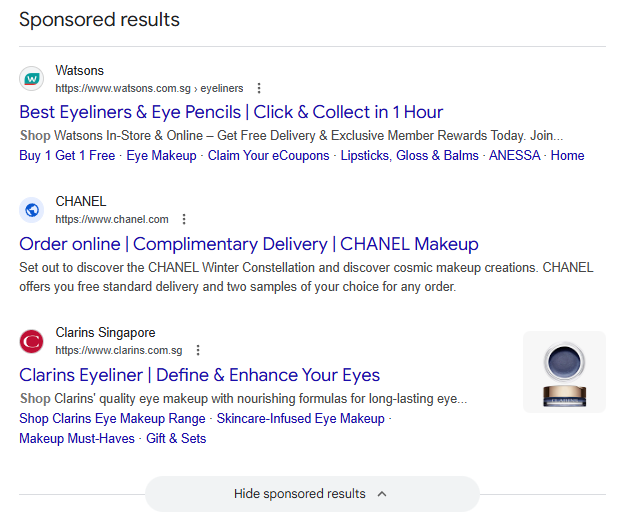
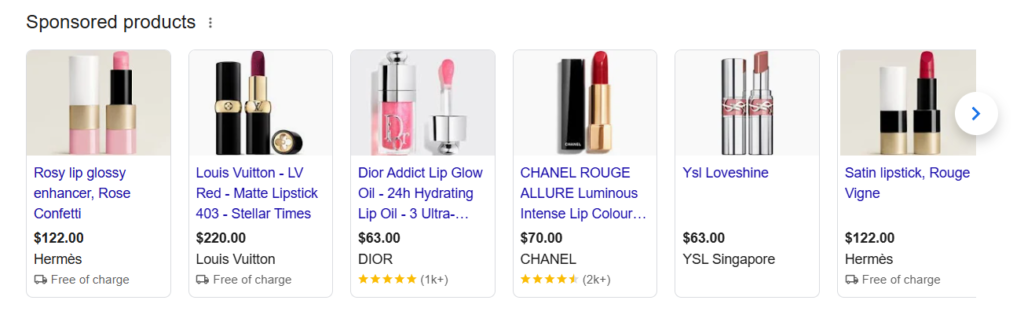
- Grouped Labeling: All text ads are now clustered under a single “Sponsored results” header, instead of each ad having its own “Sponsored” tag. This label also applies to other formats like Shopping ads (labeled as “Sponsored products”).
- The ‘Hide’ Control: Users can now click a “Hide sponsored results” control, which collapses the entire ad block
All Google Search ads are now grouped into a single “Sponsored results” section. Users may click on “Hide sponsored results” to collapse the entire sponsored section. The same layout will be witnessed for Google Search ads at the bottom of the page.
Google Shopping Ads section are now clustered into a single “Sponsored products” section.
Understanding Implications on Consumer Behaviour
The new SERP introduces a subtle shift in user behavior that requires a focus on paid media’s alignment with consumer intent.
- Prioritizing Ad Relevance: The new interface makes it easier for users to identify and potentially skip or hide the entire sponsored block. This means that for an ad to earn the click, it must be perfectly aligned with the user’s intent to prevent them from engaging the “Hide” control or scrolling past. Ads that are less relevant risk being filtered out.
- The Value of a Unified Search Strategy: The “Hide sponsored results” feature directly benefits organic listings if the user chooses to activate it. With this new feature and AI Overviews, the line between Paid Search (PPC) and Search Engine Optimization (SEO) is becoming increasingly blurred. A cohesive strategy between paid search and SEO is essential to maintain brands’ Google search visibility & performance.
Final Thoughts
Ultimately, the change doesn’t alter the core mechanics of the Google Ads auction, but it does indicate the future of Google search behaviors. By focusing on providing clear value, ensuring impeccable alignment with user intent, and having a strong foundation in both paid and organic search, campaigns can continue to deliver high-quality results.